

 02 8360 6289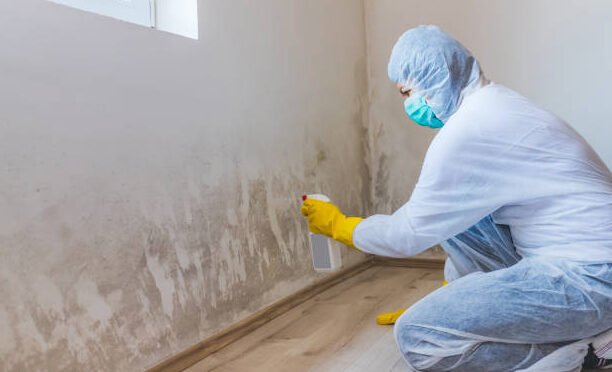
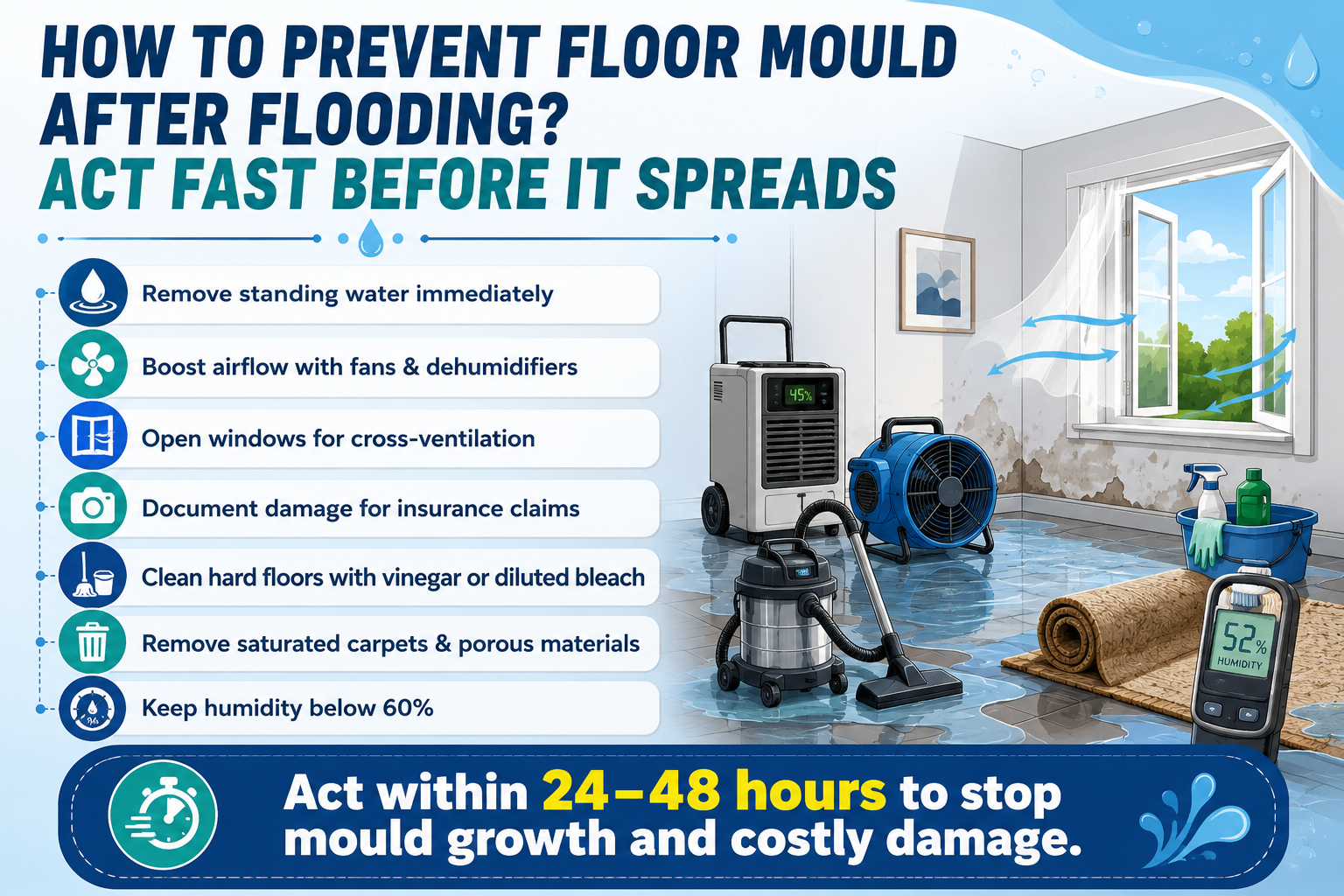
Flooding is destructive enough without inviting mould into your home. Mould thrives in damp environments and spreads rapidly after water damage. Acting within the first 24 to 48 hours is absolutely critical for prevention. Delaying action allows mould to establish itself deep within flooring materials and walls.
Understanding the Mould Growth Timeline
Mould colonisation happens faster than most homeowners realise. Moisture creates ideal conditions for spores to germinate and multiply. Black mould removal in Sydney requires understanding this urgent timeline. Mould can become visible within just 24 to 72 hours after flooding.
Why Speed Matters After Water Damage
- Mould spreads exponentially in wet environments
- Early intervention prevents costly structural damage
- Respiratory health risks increase with mould exposure
- Prevention is far cheaper than remediation later
Immediate Actions to Take Within 24 Hours
Mould after water damage in Sydney demands immediate response. Here’s what you must do right now:
Step 1: Remove Standing Water Immediately
Extract all standing water from affected areas. Use pumps, wet vacuums, or professional extraction equipment. Don’t delay this critical first step under any circumstances.
Step 2: Increase Air Circulation Rapidly
Open windows and doors to allow fresh air flow. Use fans to direct moisture away from the flooring. Dehumidifiers help pull excess moisture from the air. Ventilation prevents the humid conditions that mould loves.
Step 3: Document Everything for Insurance
Take photos and videos of all water damage. Record the extent of flooding in detail. This documentation supports insurance claims effectively.
Drying Techniques That Actually Work
Mould inspection in Sydney professionals recommend aggressive drying strategies. Here are proven methods:
- Remove wet carpets and rugs immediately from the flooring
- Open all windows and interior doors for cross-ventilation
- Run industrial dehumidifiers continuously for several days
- Use air movers to accelerate evaporation from surfaces
- Remove baseboards to allow wall cavities to dry properly
Cleaning and Treatment Strategies
Mould remediation in Sydney starts with thorough cleaning procedures. Use these effective approaches:
For Hard Floors
Clean with white vinegar solutions or diluted bleach. Vinegar is a natural antimicrobial agent that kills spores. Apply generously and scrub all affected surfaces thoroughly. Allow solutions to sit before final rinsing with clean water.
For Porous Materials
Porous surfaces like carpet absorb water deeply. These materials often require complete removal and disposal. Drywall and insulation may need replacement if saturated. Professional assessment helps determine what’s salvageable.
Ongoing Prevention Measures
Monitor humidity levels constantly after flooding events. Maintain indoor humidity below 60 per cent consistently. Use moisture metres to track drying progress in walls. Regular inspections catch emerging mould problems early.
When Professional Help Becomes Necessary
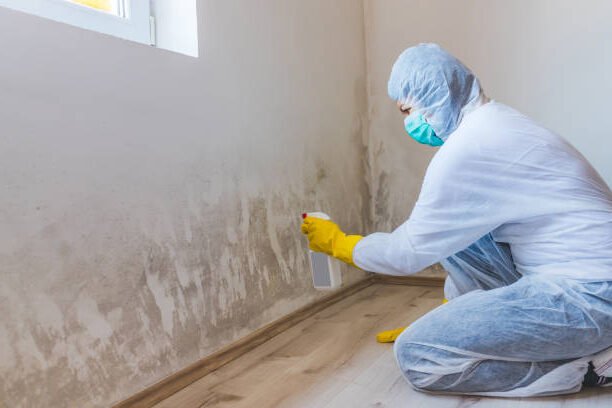
Some situations exceed DIY capabilities entirely. Extensive flooding requires professional water damage restoration services. Contaminated water needs specialist decontamination treatment. Structural concerns demand expert evaluation and intervention.
Conclusion
Preventing floor mould after flooding requires immediate action and proper technique. Act within the first 24 hours to stop spore growth. Professional assessment ensures thorough protection for your home and family.
Don’t let mould compromise your living space – reach out to Freshify Flood Damage Restoration Sydney today for expert guidance. Contact them at 02 8360 6289 or m2leadsmarketing@gmail.com. Visit Website for comprehensive flood damage restoration solutions.
Frequently Asked Questions
- How quickly does mould appear after flooding?
Mould can become visible within 24 to 72 hours after water damage. However, spores begin growing immediately in moist conditions, so speed matters tremendously.
- What humidity level encourages mould growth?
Mould thrives when humidity exceeds 60 per cent indoors. Keeping humidity below this threshold significantly reduces growth risk and prevents colonisation.
- Can I use regular household fans for drying?
Household fans help, but aren’t powerful enough for serious flooding. Industrial air movers and dehumidifiers work far more effectively for thorough drying.
- Is bleach the best solution for mould cleaning?
Bleach works, but white vinegar offers natural antimicrobial benefits. Both are effective – choose based on your preference and surface type requirements.
- Must I remove all wet carpeting after flooding?
Professional assessment determines if the carpet is salvageable. Most heavily saturated carpets require removal due to deep water penetration risks.
- How long does complete drying typically take?
Standard drying takes 5 to 10 days with proper equipment. Severe flooding may require 2 to 3 weeks for thorough drying completion.
- What causes mould in walls after flooding?
Water seeps into wall cavities and remains trapped inside. These hidden pockets create perfect mould breeding grounds without visible signs initially.
- Should I hire professionals for minor flood damage?
Minor damage might be manageable by yourself with proper drying. However, professional assessment prevents costly mistakes and hidden damage later.
- Does dehumidifier placement affect drying effectiveness?
Yes, central placement works better than corners or edges. Position the equipment to circulate air throughout the entire affected area evenly.
- Can mould return after proper treatment and drying?
Mould returns if conditions become damp again. Maintaining low humidity and good ventilation prevents future growth and recontamination.